Data transparency: The new currency in asset management.
Why data transparency is critical to scalable, resilient operations in asset management.

Data transparency: The new currency in asset management
In today’s asset management ecosystem, data transparency has become foundational to trust, scale, and operational resilience.
For asset managers operating in public and private markets—including those supporting collective investment trusts (CITs), mutual funds, and strategies distributed through 401(k) and defined contribution plans—the ability to deliver timely, accurate, and consistent data is no longer a differentiator—it’s an expectation.
As strategies grow more complex and distribution models expand, transparency enables firms to meet client demands, support downstream partners, and run their businesses with confidence. This is vital for retirement-focused vehicles where sponsors, recordkeepers, and advisors rely on consistent, high-quality data.
Transparency: A modern mandate
Historically, many middle-office operations relied on batch processing, manual handoffs, and periodic reporting cycles—an approach that struggles to keep pace with modern asset management. Today’s environment demands real-time insight, unified data views, and seamless integration across front-, middle-, and back-office functions.
Institutional clients, intermediaries, and internal teams alike expect a clear line of sight into positions, performance, risk, and exposures. This is especially true for asset managers supporting CIT structures and 401(k) plan lineups. Accurate data supports participant reporting, daily valuation, and fiduciary oversight. Without transparency, firms face higher operational risk, slower decision-making, and increased strain on already stretched teams.
The value of visibility
- Confidence for clients and stakeholders. Consistent, accessible data builds trust across the investment lifecycle—from portfolio managers and operations teams to clients, retirement plan sponsors, and distribution partners. For firms offering CITs within defined contribution plans, transparency reduces friction and supports informed decision-making at every level.
- Operational efficiency. Standardization begets transparency. Automated, standardized data flows reduce manual work, limit reconciliation breaks, and allow teams to focus on higher-value activities. This is an increasingly important advantage as 401(k) assets scale and reporting expectations rise.
- Risk management and oversight. Normalized data and integrated controls improve visibility into exposures, counterparty risk, and regulatory obligations—helping firms manage complexity across multiple vehicles without adding layers of process.
Actions for asset managers
- Modernize legacy workflows. Move beyond file-based transfers and fragmented systems toward more connected, API-enabled data exchange. This is critical for supporting daily valuation, recordkeeper integration, and timely reporting in 401(k) and CIT environments.
- Normalize and centralize data. Create a unified data foundation across asset classes, strategies, and vehicles to support consistent reporting and analytics, regardless of whether assets are delivered via mutual funds, CITs, or other institutional structures.
- Embed controls into daily operations. Integrate compliance, risk, and oversight into core workflows rather than treating them as downstream checks—particularly important in retirement-focused investment vehicles subject to heightened scrutiny.
Done well, transparency supports scale, strengthens client relationships, and positions firms to adapt as markets and expectations evolve, especially as defined contribution plans continue to grow and diversify investment options. Asset managers who succeed today see transparency not as a reporting requirement, but as a core operating capability. As complexity grows and expectations continue to rise across institutional, intermediary, and retirement channels, clarity becomes a source of strength. It enables better potential outcomes for clients and more resilient operations for firms.
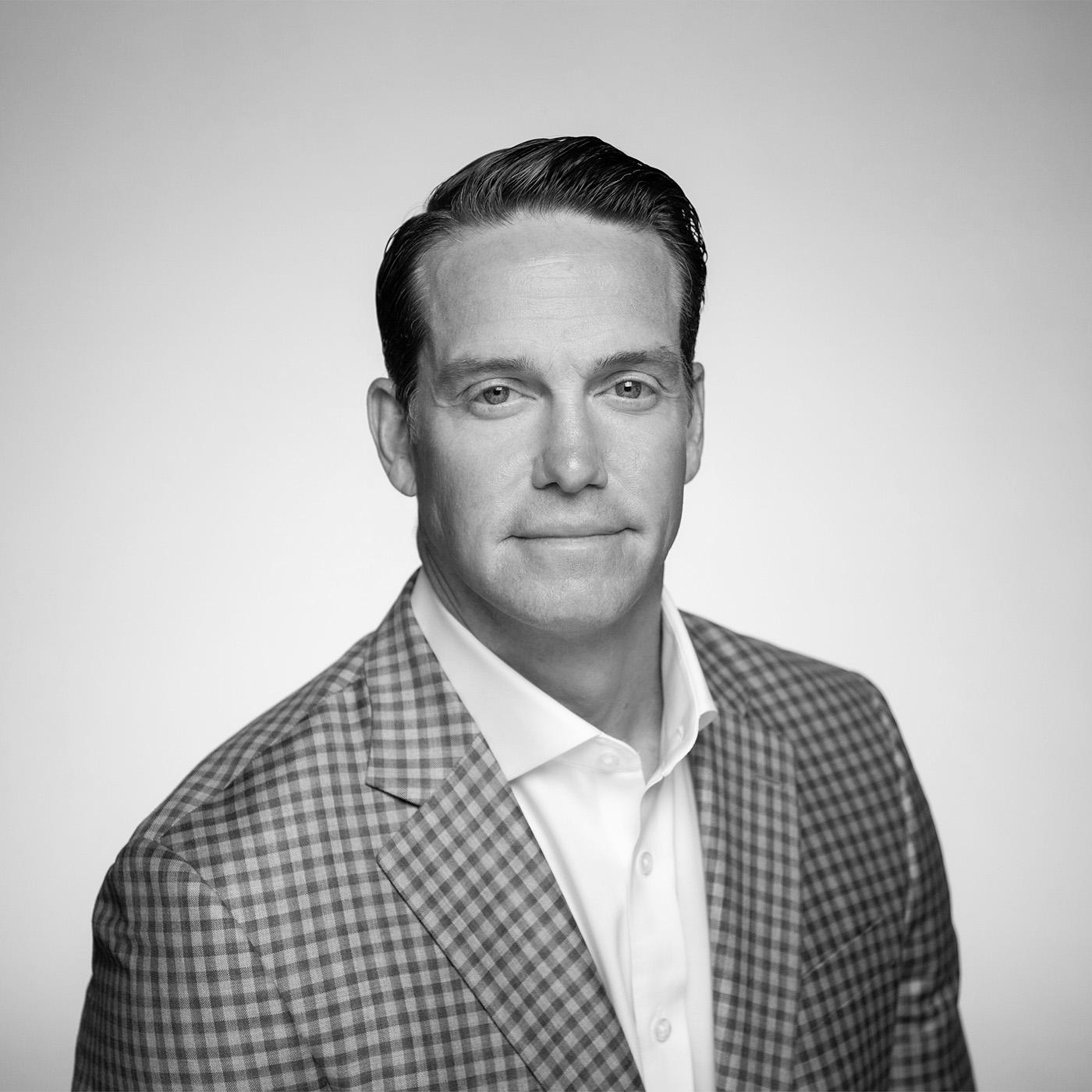
New Year, New Mandate | A 2026 CEO Conversation with Ryan Hicke
Insights for asset managers