Finds worthwhile companies at reasonable prices.
Focuses on businesses with resilient earnings and robust financial structure.
Recognizes that strengths often persist, and weakness reveals deeper flaws.
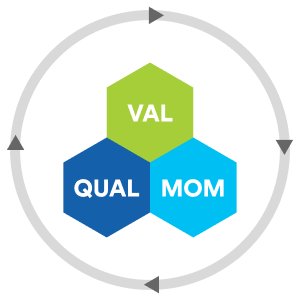
Active. Systematic. Intelligent.

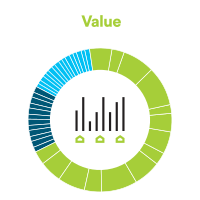
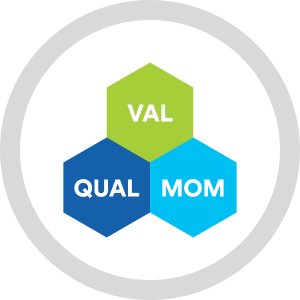
Value without sacrificing Quality and Momentum.
Focused on value metrics within context of quality and momentum.
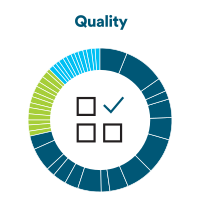
Quality without sacrificing Value and Momentum.
Focused on quality metrics within context of value and momentum.
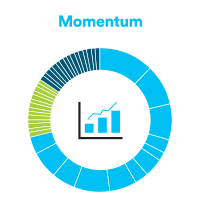
Momentum without sacrificing Value and Quality.
Focused on momentum metrics within context of value and quality.
Example: Adapting stable Value factor composite to Covid-19 recovery
Source: SEI. Factor Weights constitute the live factor weightings utilized in the Stable Value Composite Factor present in SEI portfolios. This is one of many factors present in the strategy – underlying factors, definitions and weightings are subject to change. Additional information available upon request.
Date range: From 31-12-2019 to 31-07-2025
Example: Refining a value metric post stock spinoff
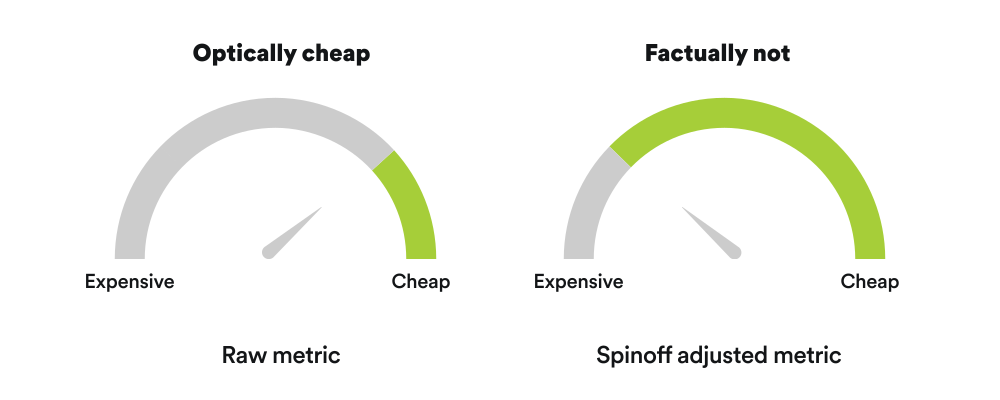
For illustrative purposes only
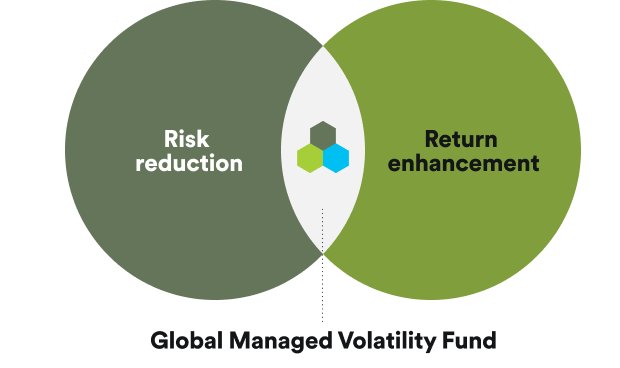
Our single-focused portfolios are integrated through a position-optimization process that avoids unnecessary cross-trading, improves liquidity management, and efficiently manages constraints.
We optimize candidate positions against both known and unknown risks, combining quantitative techniques with traditional diversification principles.2
Example of risk management in a Value portfolio:
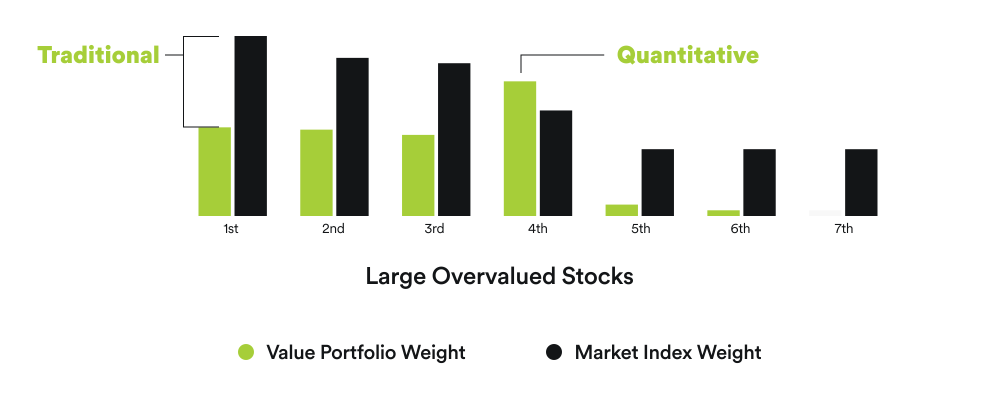
Traditional
Controlling underweights
Quantitative
Buying “less expensive” to manage risk, informed by:
2‘Barbaneagra, Shang “Risk Modelling in Optimized Factor Portfolios”’
Date range: From 30-06-2025 to 30-09-2025
Important information
Please refer to the SGMF Fund Prospectus for the UCITS Fund and the KIID before making an investment decision. Currency fluctuations may cause returns to increase or decrease.
Past performance is not necessarily indicative of future results. There can be no assurance the Fund will achieve its objectives or avoid significant losses.
Please refer to the Fund documents including the Prospectus and Key Investor Information Document (KIID) for more information. The Prospectus and KIID are available from Fund documents in English.
Article 8 funds strive to achieve the investment objective whilst promoting environmental and social characteristics within the meaning of Article 8 of SFDR. The funds provide that the companies in which it invests in, follow good governance practices. These products are based overseas and are not subject to UK sustainable investment labelling and disclosure requirements. For further information in relation to the UK sustainable investment labelling and disclosure requirements, please refer to the following FCA website: Sustainable investment labels and anti‐greenwashing | FCA. Sustainability guidelines may cause a manager to make or avoid certain investment decisions when it may be disadvantageous to do so. This means that these investments may underperform other similar investments that do not consider sustainability guidelines when making investment decisions. There can be no assurance goals will be met. If a product or strategy is subject to certain sustainable investment criteria it may avoid purchasing certain securities when it is otherwise economically advantageous to purchase those securities, or may sell certain securities when it is otherwise economically advantageous to hold those securities. Sustainability is not uniformly defined and scores and ratings may vary across providers.
Focus on the most severe risks, excluding companies with significant governance failures or persistent ESG laggards. We also exclude controversial weapons manufacturers and thermal coal producers.
We do not rely on static ESG scores or broad exclusions. In our Not All ESG Risks are Equal1 research, we show that effective ESG integration in active investing requires aligning views on sustainability risks with expected returns.
ESG considerations are incorporated where risks are not fully reflected in market prices, managing sustainability risk exposures, while avoiding unintended factor crowding.
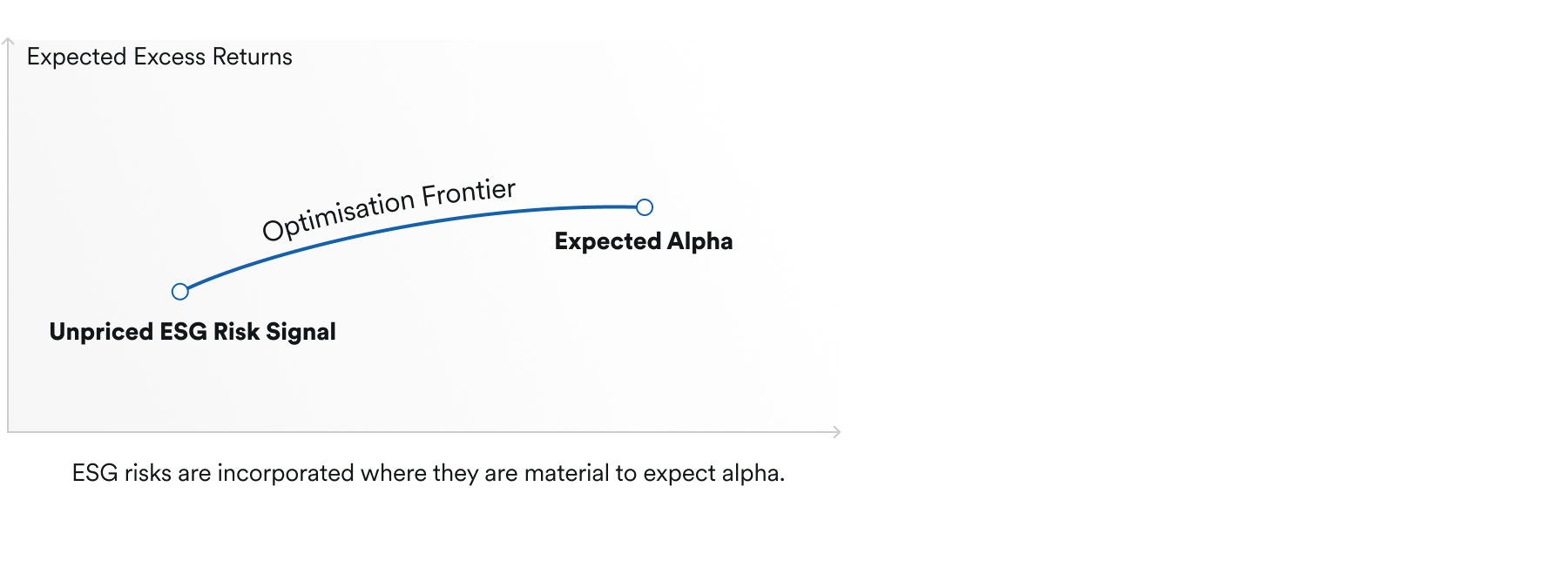
For illustrative purposes only
This approach enables us to incorporate ESG factors while maintaining the portfolio’s investment objectives. Portfolio managers monitor how ESG inputs interact with our alpha models, managing unintended exposures and ensuring alignment with each fund’s return and risk profile.
In partnership with Sustainalytics, our sustainability team engages with companies held in our portfolios. This engagement focuses on strengthening governance practices and improving material sustainability outcomes over time.
3 Source: Barbaneagra, Shang, Xu “Not All ESG Risks are Equal”, 2024, SEI Quantitative Investment Management research paper

Global Head of QiM
Eugene Barbaneagra is the Global Head and the founding member of SEI’s Quantitative Investment Management team. For more than two decades, he has led the development of SEI’s quantitative equity capability, drawing on extensive experience in evaluating best practices in factor research, portfolio construction, and risk management. Since establishing QiM, Eugene has shaped a disciplined, evidence driven investment philosophy grounded in research, risk awareness, and durable return drivers.
Before joining SEI, Eugene worked in Vanguard’s Investment Research and Analysis group.
Eugene holds a BSc in Business Administration with concentrations in Finance and Management of Information Systems from Drexel University. He also earned an MSc in Risk Management and Financial Engineering from Imperial College London. He is a CFA charterholder.
Jianan Chen, CFA
Senior Quantitative Analyst
Aris Christofides
Quantitative Developer
Dante D'Orazio, CFA
Portfolio Manager
Med El Kourdi, PhD
Senior Quantitative Analyst
George Filippakopolos
Senior Quantitative Developer
Lan Jiang, PhD
Senior Quantitative Analyst
Alejandra Munoz
Investment Associate
Matthew Perciato
Fund Analyst
Victor Shang, PhD
Senior Quantitative Analyst
George Tyrakis, FIA
Strategy Director
Tianyu Xu, CFA
Quantitative Analyst

This material is provided for general informational purposes only and is intended solely for institutional investors and other persons who may lawfully receive it under applicable Singapore laws and regulations. It is not directed at retail investors.
Nothing contained herein constitutes an offer, solicitation, recommendation or invitation to subscribe for, purchase, sell or hold any investment, financial product or service. The information provided should not be construed as investment, legal, tax or other professional advice.
Any views expressed are subject to change without notice. Past performance is not indicative of future results. The value of investments and any income derived from them may fall as well as rise, and investors may not recover the amount originally invested.
Please refer to the Fund Documents, including the Prospectus and Key Investor Information Document (KIID) for more information. The Prospectus and KIID are available form Fund documents | SEI (seic.com) in English.
The availability of any investment strategy, fund or service remains subject to applicable laws and regulations, including those of Singapore.